The projects I care about beyond the day job.
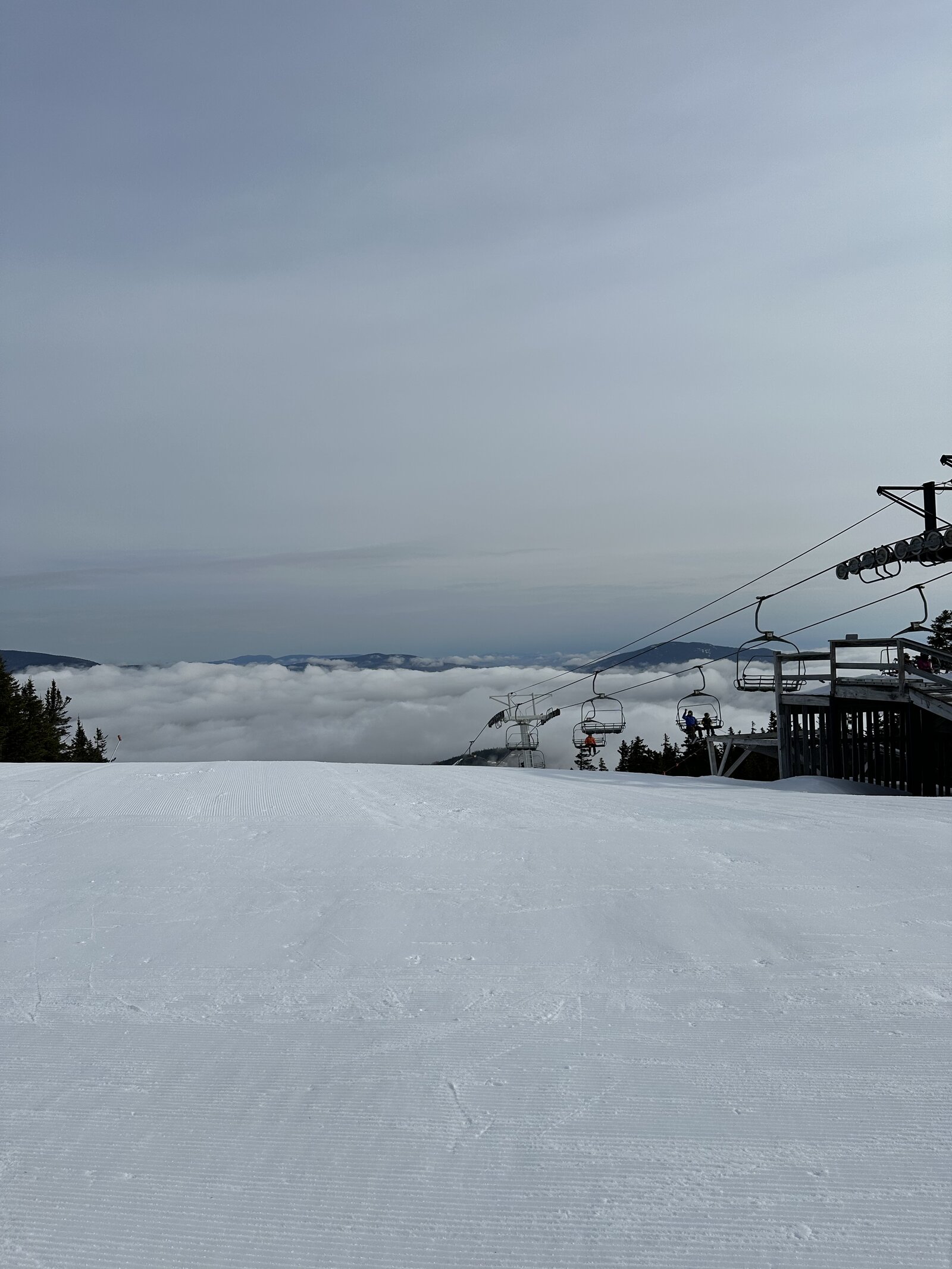
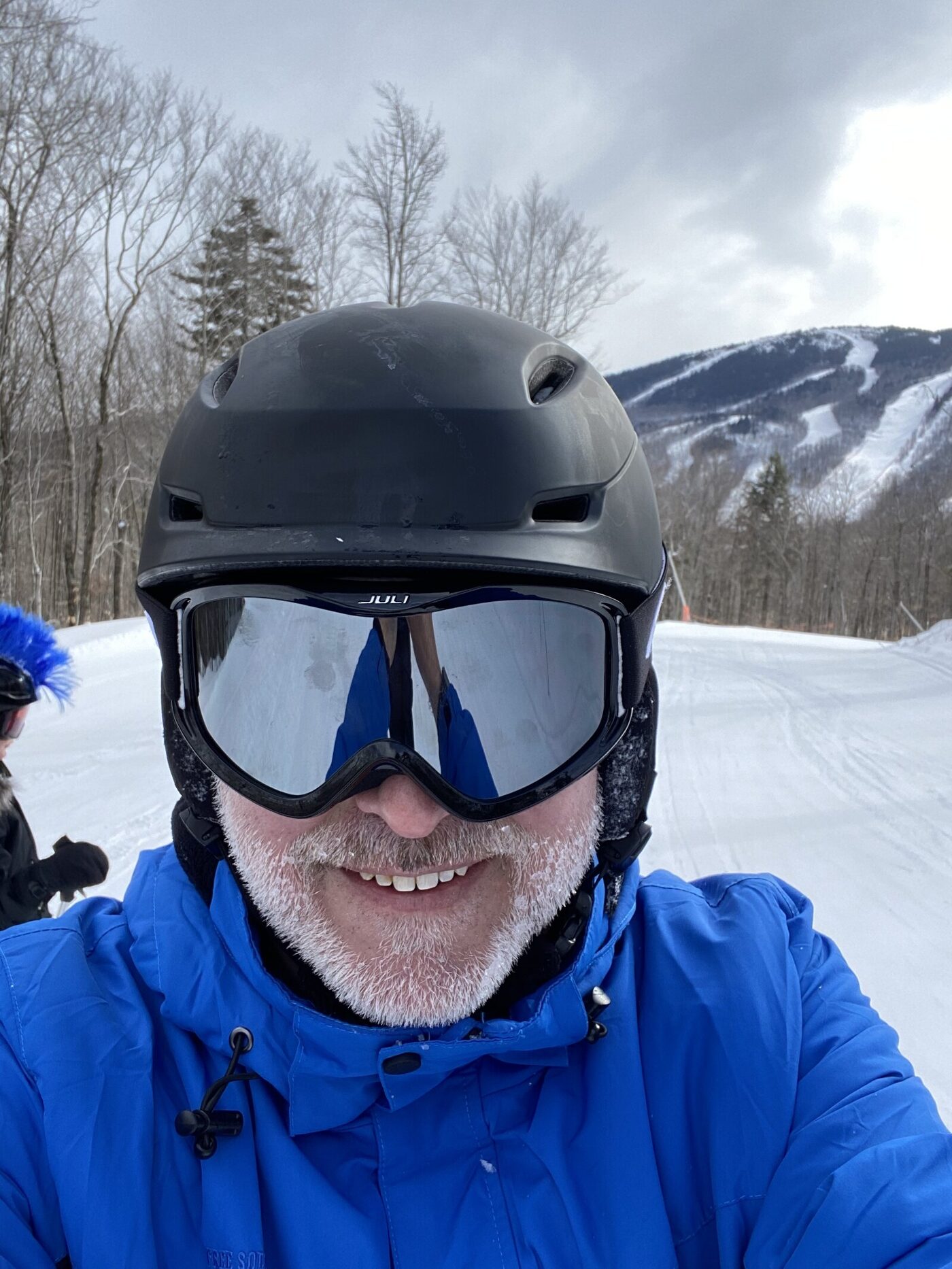
I've been skiing my whole life, and building things for most of it. Somewhere along the way those two stopped being separate interests. I'm drawn to distressed assets with a story and underutilized land with real bones — the kind of places everyone else has already written off. A closed lift, a resort that lost its anchor investor, a ski town that grew faster than its housing stock, a manufacturing model nobody's applied to housing yet. Those are the projects that hold my attention long after a deal memo would tell most investors to move on.
None of this is a side hustle from the day job — it's the same instinct that built a 25-year real estate career, pointed at a few specific problems I actually care about solving: Oldivai, Mr. Good Container Homes, and the mountain resort work I write about at danskiandbuild.com.
Climate. Community. Comeback.
That's the short version of how I think about bringing a struggling mountain back. Five principles guide it:
- Workforce-first. Housing for the people who operate the mountain comes before second-home development, not after.
- Climate-honest. Planning around the snow conditions we'll actually have in 2050, not the ones we grew up on.
- Community-rooted. Local stakeholders get a real seat in decisions, not a comment period.
- Independent by design. American skiing has gone from more than 2,000 areas to fewer than 500, with two companies controlling most of what's left. I'd rather back the independents than add to that consolidation.
- Quality over scale. Fewer projects, done right, beats a portfolio built for a pitch deck.
Workforce housing, built like a product, not a project.
Oldivai is the venture I lead that's tackling this head-on. We partner with employers, cities, and community stakeholders to build affordable workforce housing on land that's already there but underused. The target is the "missing middle" — households earning 80–120% of area median income. Teachers, nurses, first responders. The people every community depends on and increasingly can't house, now that housing costs have risen more than 40% since 2020, over double the pace of wages, while most new development chases luxury units instead.
We run it like a manufacturing problem, not a real estate pitch: a standardized process built on lean/six-sigma discipline, starting with our own market-analytics tool, the Oldivai Index, to size up local affordability before we commit to a site.
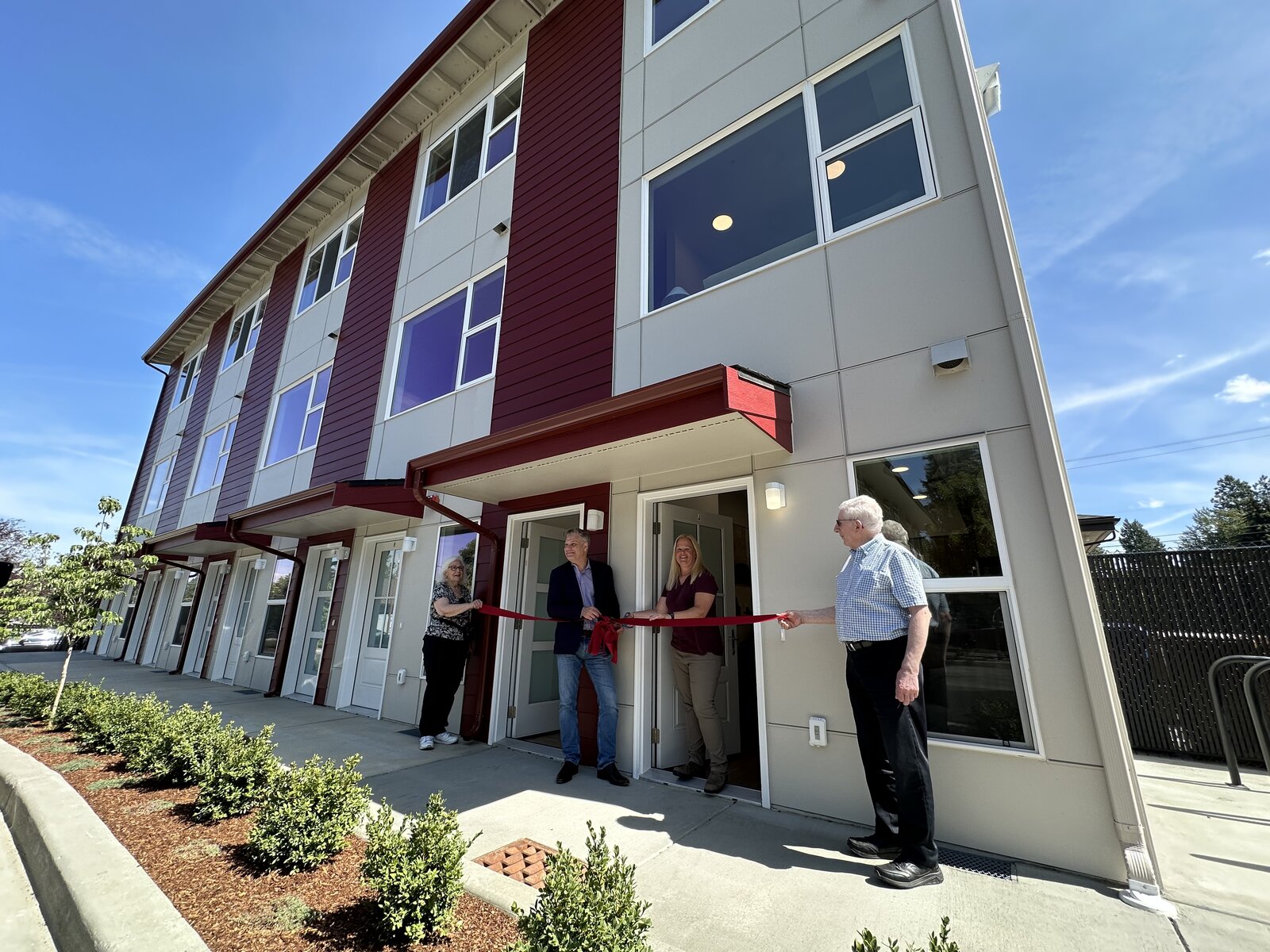
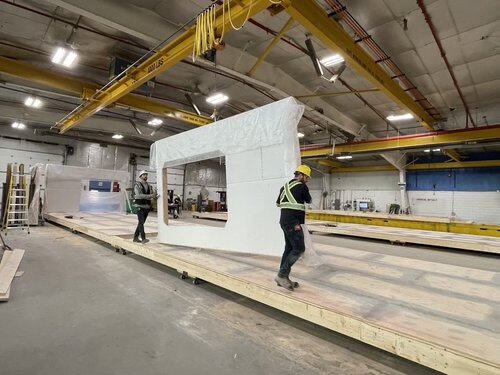
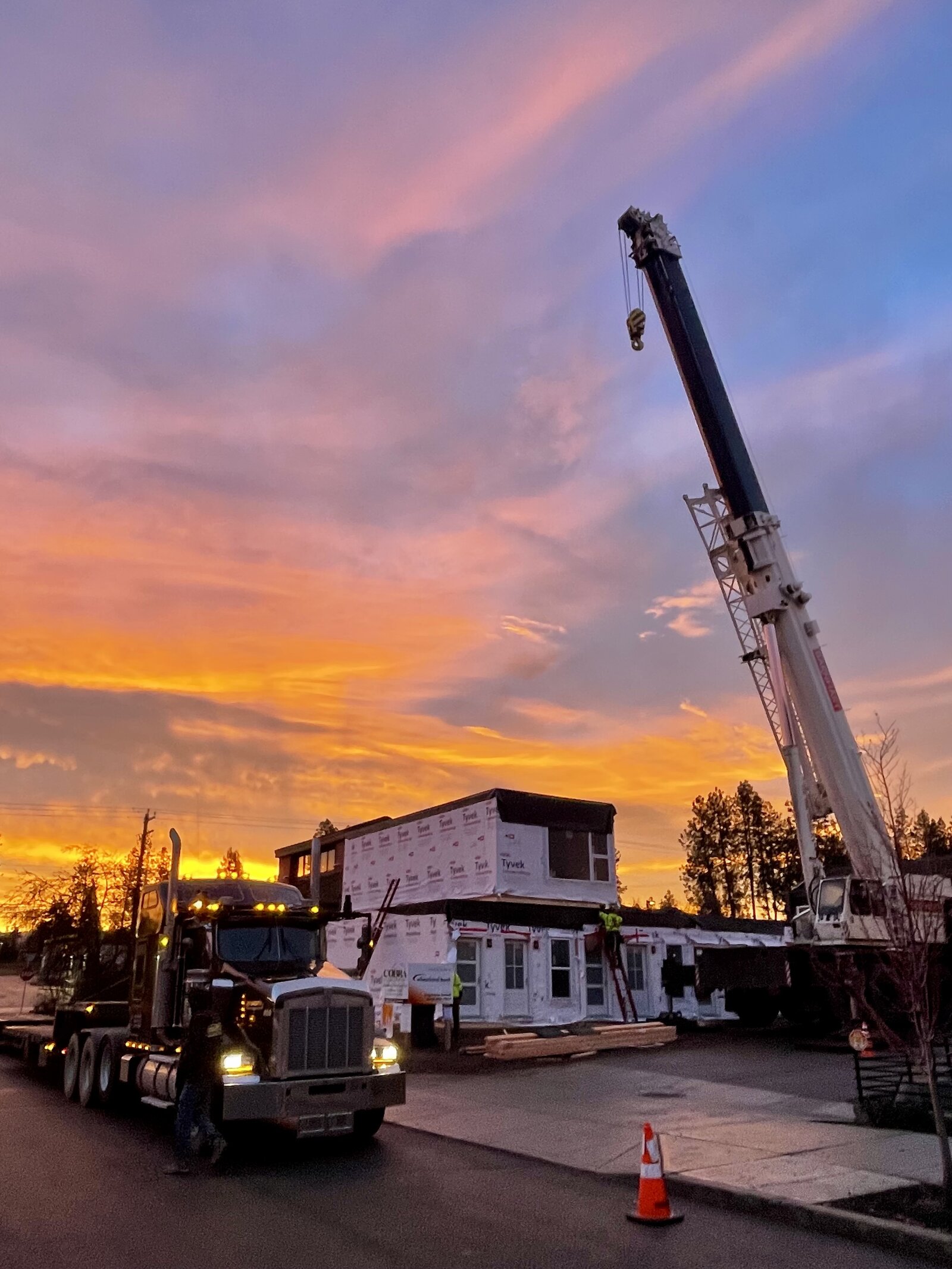
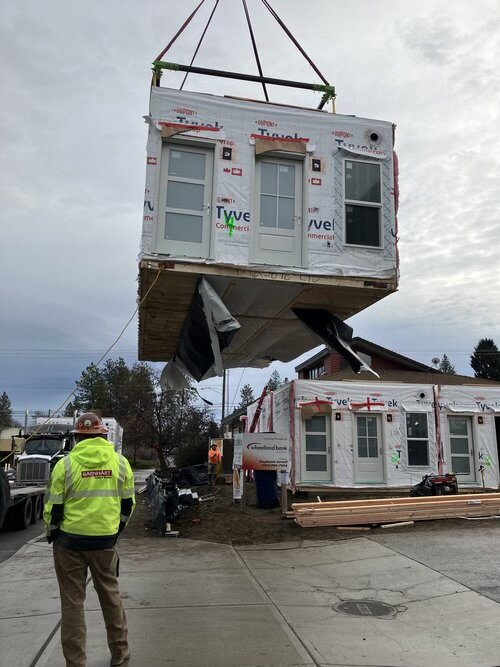
Our pilot, Project Zero, is a 10-unit modular development in Spokane, Washington — factory-built units with finished interiors, trucked to site and assembled by crane. We're currently raising more than $50 million to bring this model to smaller metros, suburbs, and rural markets, primarily alongside healthcare systems and school districts.
Housing that ships on a flatbed.
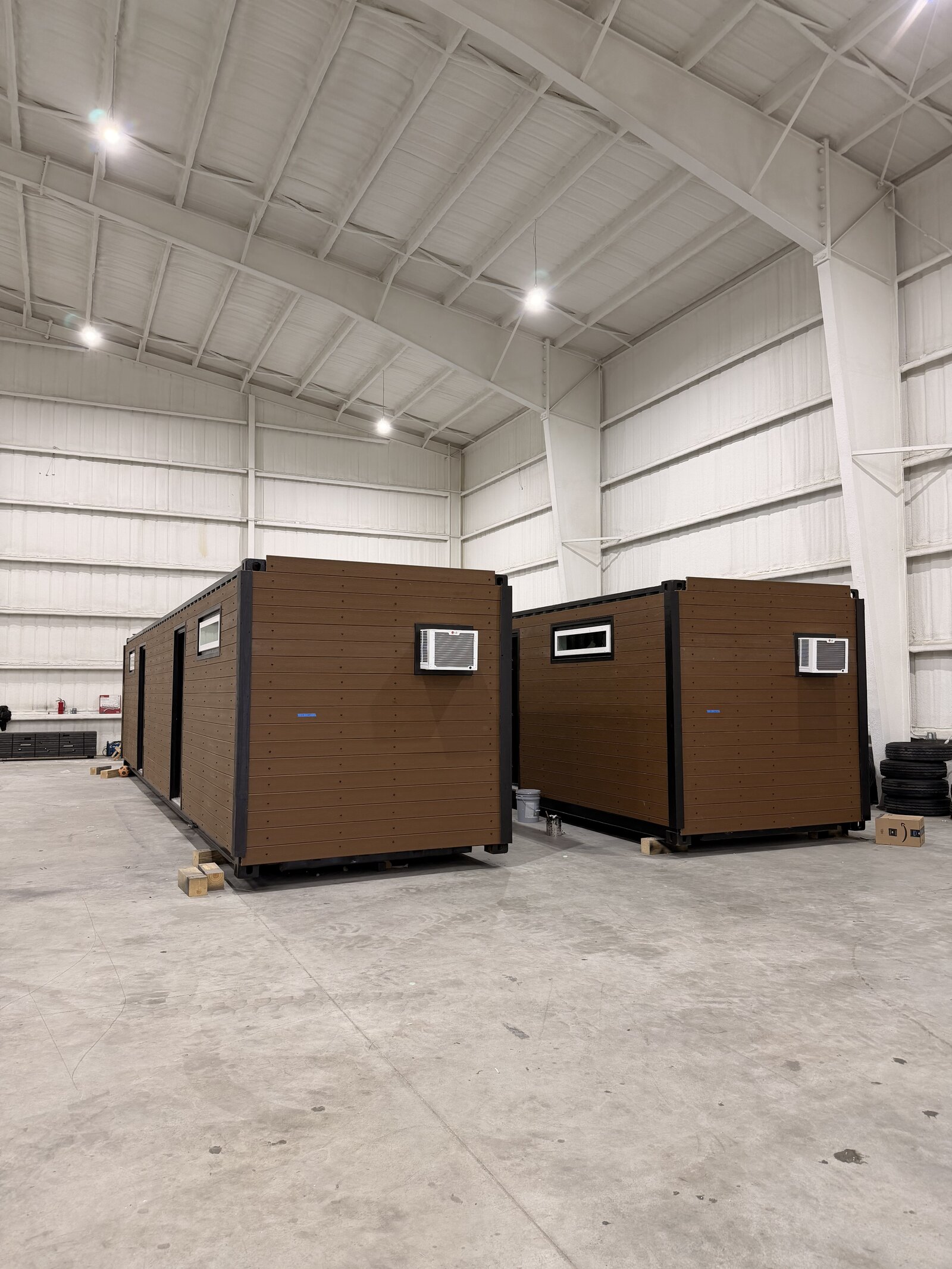
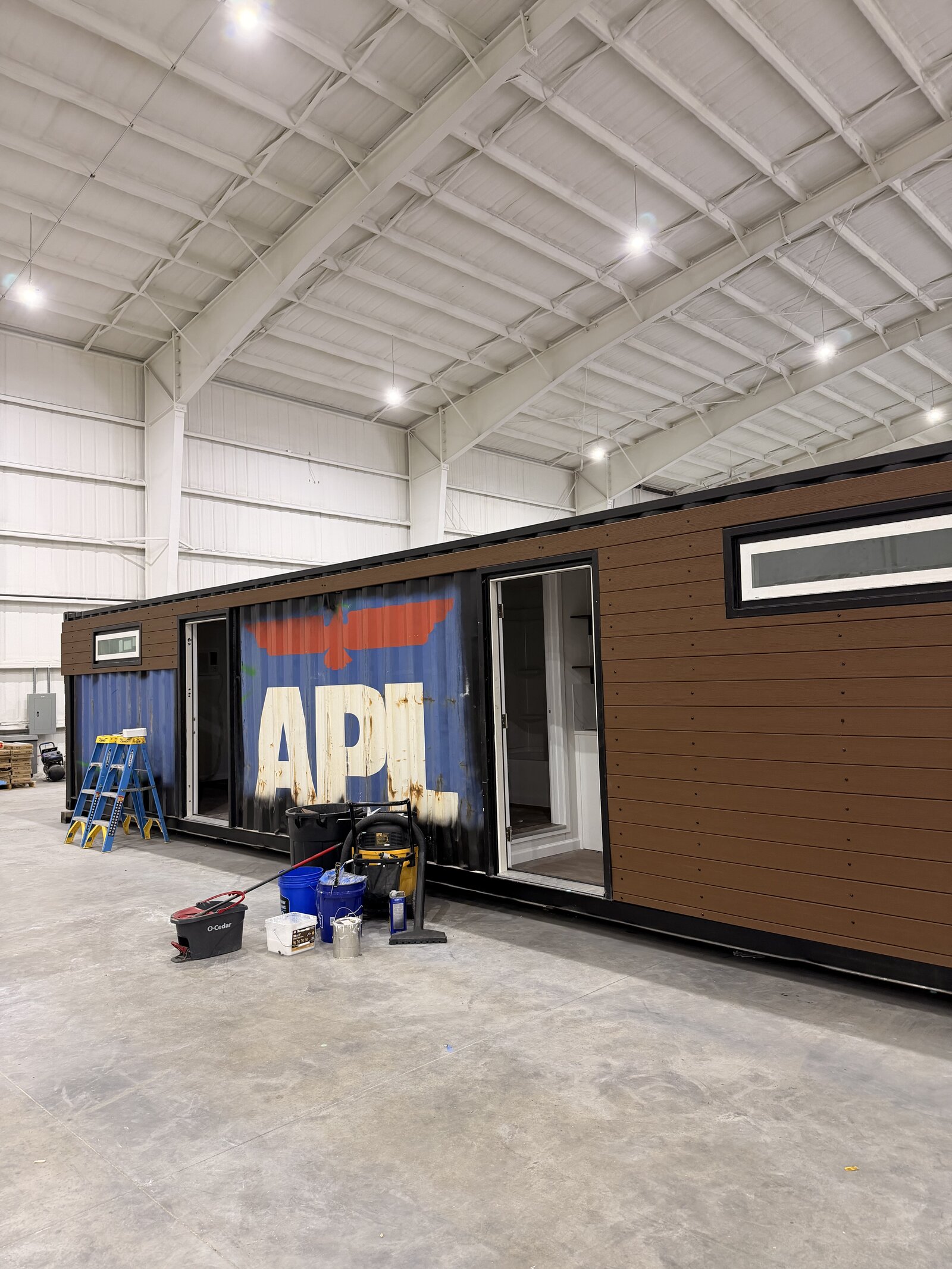
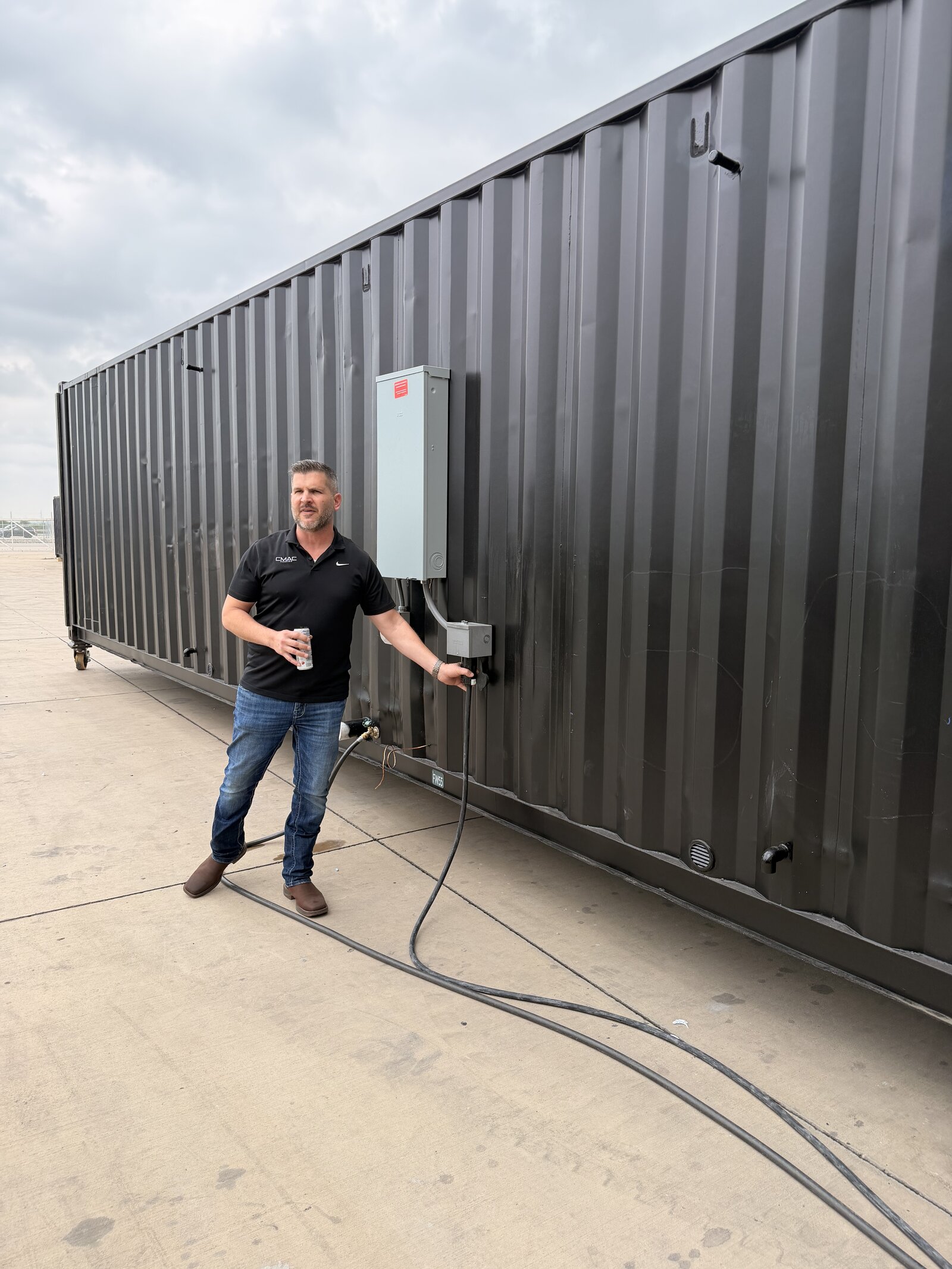
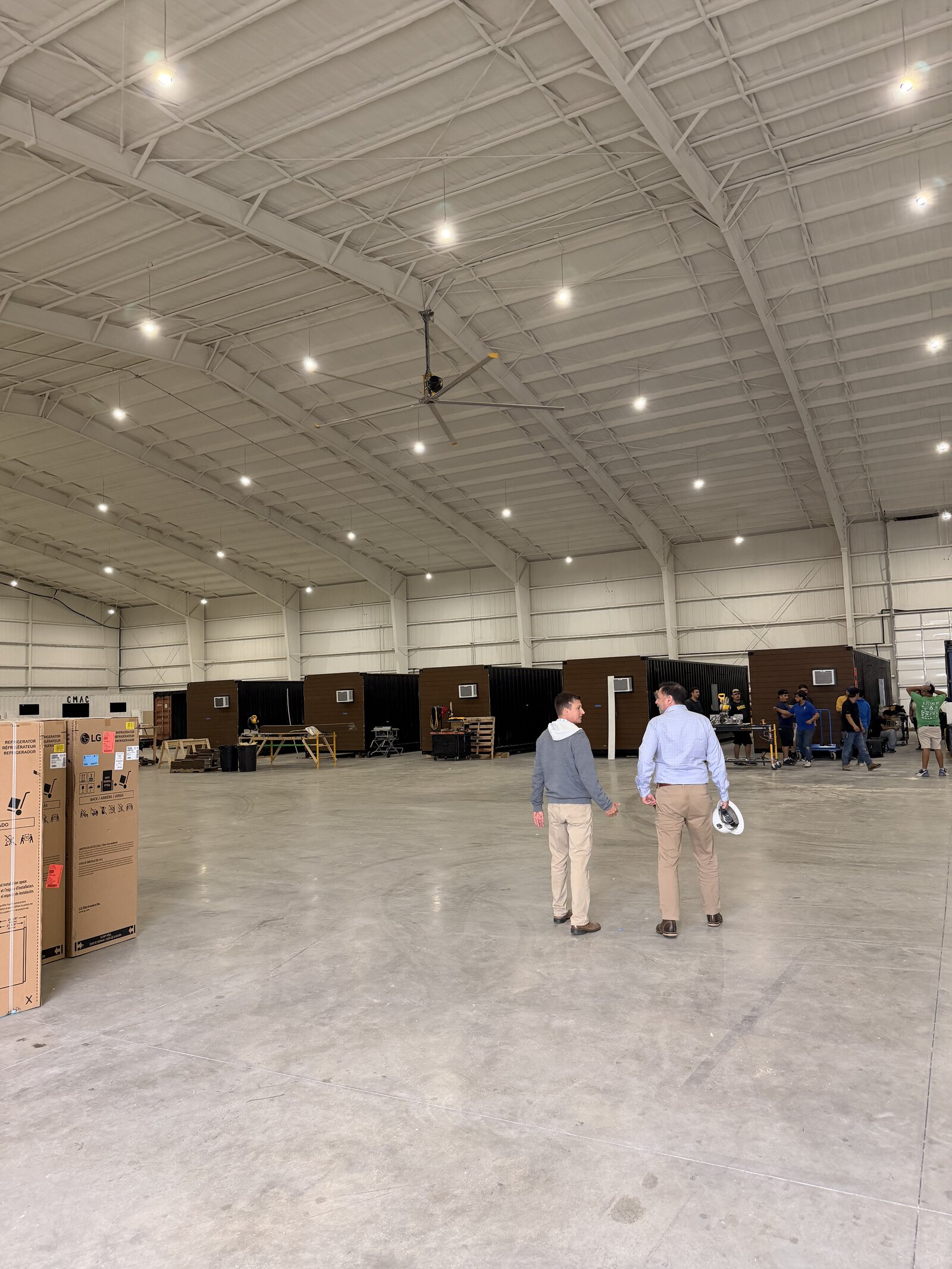
Mr. Good Container Homes is a manufacturing venture I'm personally invested in, based in Tyler, Texas. It builds RV-classified duplex homes out of shipping containers — two 160-square-foot studio apartments per unit, each with a private bathroom, kitchenette, and climate control, wired to connect to standard RV hookups. A unit can be manufactured and deployed in roughly 90 to 120 days, which is a different timeline than almost anything else in housing.
For RV park owners and real estate investors, the pitch is straightforward: turn a $350-a-month RV pad into a $1,600–$1,900-a-month long-term duplex lease, with the tax benefit of 100% bonus depreciation and, in Texas, Section 8 approval for a guaranteed income stream. The team behind it combines roughly 25 years of manufacturing experience with 50 years of construction experience, including licensed electricians and plumbers.
Where I write about it.
danskiandbuild.com is where I publish the ground-level version of this work — resort economics, independent ski areas versus the big pass consolidators, ski-town housing markets, and the deals and projects I'm actively chasing. It's not a marketing site; it's closer to a working notebook, written by someone who's actually on the mountain, not a communications team.
A Day at Black Mountain with Erik Mogensen
Comeback Country: The Case for Buying a Dead Ski Hill
Vail Just Admitted the Epic Pass Growth Story Is Over
Read the full archive at danskiandbuild.com →
Follow @danskiandbuild
Know a mountain that fits?
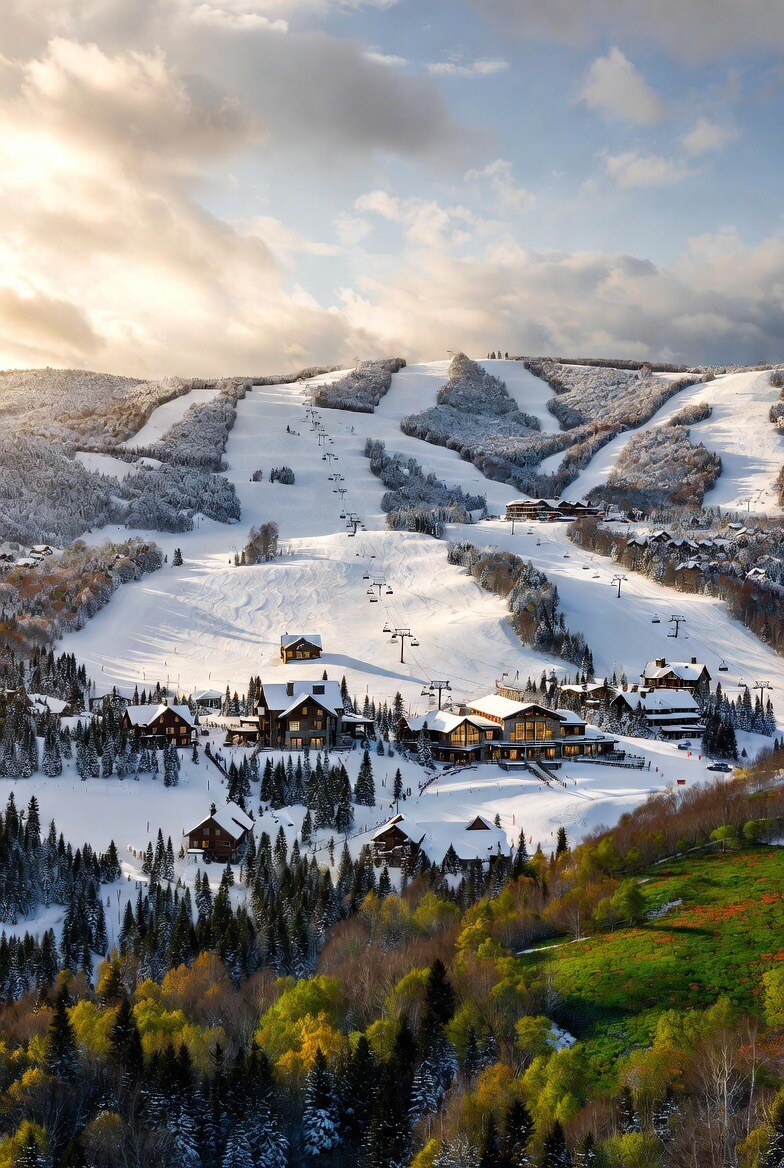
If you own or represent a struggling ski area, a closed resort, or mountain land that fits this thesis, I'd like to hear about it. No brokers required to have a first conversation.
Get in touch